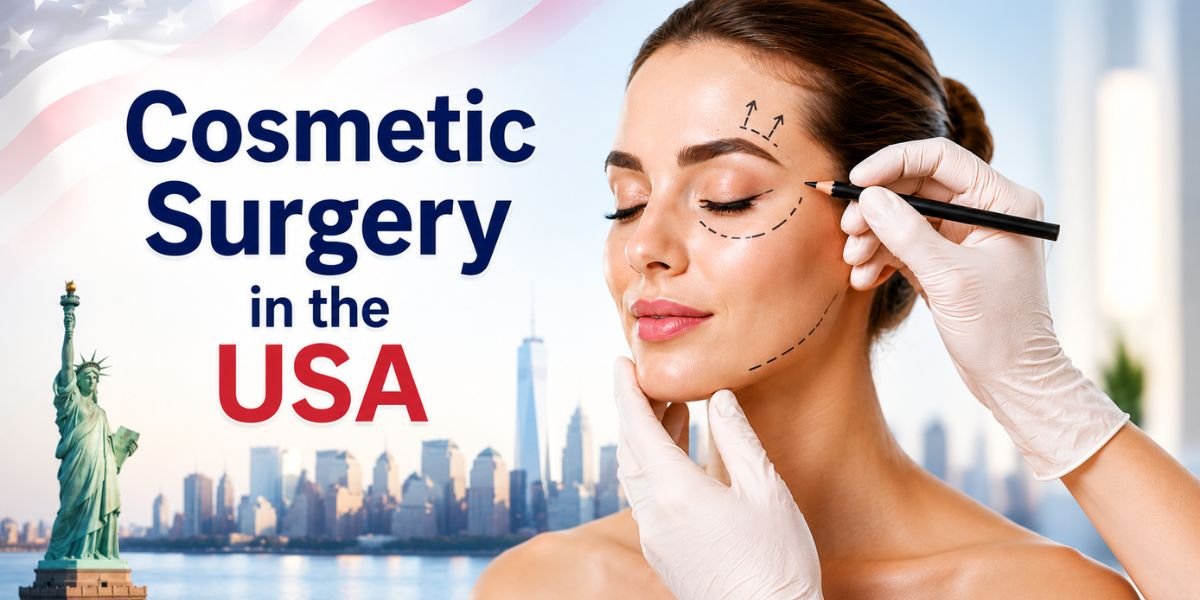
Cosmetic Surgery in the USA has become a popular option for people who want to change specific features, improve body contours, or address visible signs of ageing. Cosmetic Surgery can include procedures involving the face, breasts and body, as well as minimally invasive treatments such as injectables and skin resurfacing. The right procedure depends on a person's goals, anatomy, health, expectations and desired recovery time.
According to the American Society of Plastic Surgeons (ASPS), nearly 1.6 million cosmetic surgical procedures were performed by ASPS member surgeons in the USA in 2024. The five most common were liposuction, breast augmentation, tummy tuck, breast lift and eyelid surgery. ASPS also reported more than 28.5 million minimally invasive procedures, showing how broad the Cosmetic Surgery market has become.
The cost of Cosmetic Surgery can vary significantly. Surgeon experience, geographic location, procedure complexity, anaesthesia, facility fees and the number of procedures performed at the same time can all affect the final price. Recovery also varies from a few days for some minimally invasive treatments to several weeks for major surgery.
This guide explains the most popular Cosmetic Surgery procedures in the USA, typical surgeon-fee ranges, what affects the total cost, recovery expectations, potential risks and how to choose a qualified plastic surgeon.
What Is Cosmetic Surgery?
Cosmetic Surgery refers to procedures performed primarily to change or enhance a person's appearance rather than to treat a medical condition. Cosmetic Surgery can change the size, shape, contour or proportion of a particular part of the body.
Some procedures are performed for the face, while others focus on the breasts or body. There are also minimally invasive treatments that can improve wrinkles, facial volume and skin texture without traditional surgery.
It is important to distinguish Cosmetic Surgery from reconstructive surgery. Reconstructive procedures generally aim to restore function or appearance following injury, disease, congenital conditions or other medical problems. Cosmetic procedures are generally elective.
Because Cosmetic Surgery is elective, health insurance usually does not cover purely cosmetic treatment. However, some procedures can have both cosmetic and functional components, so insurance coverage depends on the medical circumstances and the individual policy.
Most Popular Cosmetic Surgery Procedures in the USA
The popularity of Cosmetic Surgery changes over time, but current ASPS data provide a useful picture of demand in the United States. In 2024, liposuction ranked first among cosmetic surgical procedures, followed by breast augmentation, tummy tuck, breast lift and eyelid surgery.
1. Liposuction
Liposuction is one of the most popular forms of Cosmetic Surgery in the USA. It removes excess fat from specific areas of the body to improve overall contours.
Common treatment areas include the abdomen, thighs, hips, arms, back, chin and neck.
Liposuction is not considered a general weight-loss procedure. Instead, it is designed to target localised fat deposits that may remain despite diet and exercise.
ASPS reported 349,728 liposuction procedures among its member surgeons in 2024, making it the most common cosmetic surgical procedure that year.
The 2024 ASPS projected surgeon-fee range for liposuction was approximately $4,300 to $7,500. This represents the surgeon or physician fee and does not necessarily include anaesthesia, facility costs or other expenses.
Recovery depends on the treatment area and amount of fat removed. Swelling, bruising and temporary discomfort are common, and patients may need to wear compression garments as directed by their surgeon.
2. Breast Augmentation
Breast augmentation is another leading Cosmetic Surgery procedure in the USA. It is performed to increase breast size or restore breast volume using implants or, in selected cases, fat transfer.
ASPS recorded 306,196 breast augmentation procedures in 2024.
The 2024 projected surgeon-fee range for breast augmentation using implants was approximately $4,575 to $8,000. Breast augmentation using fat grafting without implants had a projected surgeon-fee range of approximately $5,500 to $9,500.
The total Cosmetic Surgery cost can be higher after adding the implant, anaesthesia, surgical facility, medical testing, medication and follow-up care.
Breast augmentation recovery varies, but patients generally need to limit strenuous physical activity during the early healing period. The surgeon provides individual instructions about exercise, lifting, sleeping positions and returning to work.
3. Tummy Tuck
A tummy tuck, medically known as abdominoplasty, is designed to remove excess abdominal skin and fat and, when appropriate, tighten weakened abdominal muscles.
It is particularly popular among people who have experienced significant weight changes or pregnancy and are left with loose abdominal skin.
ASPS reported 171,064 tummy tuck procedures in 2024.
The 2024 ASPS projected surgeon-fee range for abdominoplasty was approximately $8,000 to $13,500.
The ASPS also lists an average surgeon fee of $8,174 for tummy tuck based on its latest statistics, while noting that this is only part of the total cost and does not include anaesthesia, operating-room facilities or other related expenses.
Recovery from a tummy tuck is generally longer than recovery from many smaller cosmetic procedures. Patients may need several weeks before returning to normal exercise and other strenuous activities.
4. Breast Lift
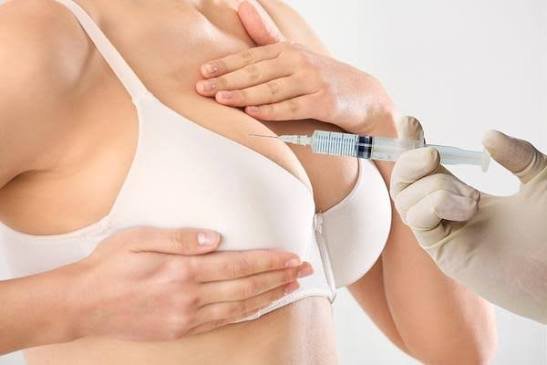
A breast lift, or mastopexy, reshapes and raises the breasts by removing excess skin and repositioning breast tissue and the nipple when necessary.
Unlike breast augmentation, a breast lift does not primarily increase breast volume. Some patients combine a breast lift with breast augmentation when they want both a lifted appearance and increased fullness.
ASPS reported 153,616 breast lift procedures in 2024.
The projected 2024 surgeon-fee range for breast lift was approximately $6,500 to $11,000.
Recovery often involves swelling, bruising and temporary discomfort. Your surgeon will explain when you can return to work, exercise and other normal activities.
5. Eyelid Surgery
Eyelid surgery, also called blepharoplasty, is a Cosmetic Surgery procedure that changes the appearance of the upper eyelids, lower eyelids or both.
It may remove or reposition excess skin and fat around the eyes. Some patients seek eyelid surgery because of an aged appearance, while others want to address excess eyelid skin.
ASPS reported 120,755 eyelid surgery procedures in 2024.
The projected 2024 surgeon-fee range was approximately $3,000 to $5,500 for upper blepharoplasty and $3,709 to $6,500 for lower blepharoplasty.
Recovery can involve bruising and swelling around the eyes. Many patients can return to everyday activities relatively quickly, but the exact timeline depends on the procedure and individual healing.
Other Popular Cosmetic Surgery Procedures
Cosmetic Surgery includes many procedures beyond the five most common operations.
Rhinoplasty
Rhinoplasty, commonly called a nose job, changes the shape or structure of the nose. It can be performed for cosmetic reasons, functional reasons or a combination of both.
ASPS reported 48,400 rhinoplasty procedures in 2024.
The projected 2024 surgeon-fee range for rhinoplasty was approximately $7,500 to $12,500.
The final Cosmetic Surgery cost depends on the complexity of the operation, whether it is primary or revision surgery, the surgeon's experience and geographic location.
Facelift
A facelift, or rhytidectomy, is designed to address visible signs of facial ageing by repositioning tissues and removing excess skin.
ASPS reported approximately 79,100 facelift procedures in 2024.
The projected 2024 surgeon-fee range for facelift surgery was approximately $12,000 to $19,000.
ASPS currently lists an average facelift surgeon fee of $11,395, but clearly notes that the figure does not include anaesthesia, operating-room facilities or other related costs.
Neck Lift
A neck lift can improve loose skin and contour around the neck and jawline. It may be performed alone or alongside a facelift.
The 2024 projected surgeon-fee range for a neck lift was approximately $7,500 to $13,000.
Arm Lift
An arm lift, or brachioplasty, removes excess skin and may improve the contour of the upper arms. It is sometimes considered after significant weight loss.
The 2024 projected surgeon-fee range was approximately $6,000 to $10,500.
Thigh Lift
A thigh lift removes excess skin and reshapes the upper thigh area. It may be considered after significant weight loss or when loose skin affects the patient's desired body contour.
The 2024 projected surgeon-fee range was approximately $7,000 to $12,000.
Cosmetic Surgery Cost in the USA
The cost of Cosmetic Surgery varies widely across the United States. There is no single price that applies to every patient because each surgical plan is different.
The following ASPS 2024 projected surgeon-fee ranges provide useful planning figures:
| Cosmetic Surgery Procedure | 2024 Projected Surgeon Fee |
|---|---|
| Liposuction | $4,300-$7,500 |
| Breast augmentation with implants | $4,575-$8,000 |
| Breast lift | $6,500-$11,000 |
| Tummy tuck | $8,000-$13,500 |
| Eyelid surgery, upper | $3,000-$5,500 |
| Eyelid surgery, lower | $3,709-$6,500 |
| Rhinoplasty | $7,500-$12,500 |
| Facelift | $12,000-$19,000 |
| Neck lift | $7,500-$13,000 |
| Arm lift | $6,000-$10,500 |
| Thigh lift | $7,000-$12,000 |
These are surgeon or physician fees, not guaranteed all-inclusive prices. ASPS explains that its 2024 figures are projected ranges based on averages submitted by surveyed ASPS member surgeons and reflect differences in geographic location and practice settings.
What Affects Cosmetic Surgery Cost?
Several factors can affect the total Cosmetic Surgery price.
Surgeon's Experience
A surgeon with extensive experience in a particular procedure may charge more than another surgeon with less experience. Experience, training and demand can all influence fees.
ASPS explains that physician education, experience, expertise and geographic location can contribute to differences in plastic surgery prices.
Price should therefore be considered alongside qualifications and experience rather than used as the only deciding factor.
Geographic Location
Cosmetic Surgery prices can differ significantly between cities and states.
Large metropolitan areas with higher living costs and strong demand for specialist services may have higher surgical fees. A surgeon practising in a smaller market may have different operating costs.
This is one reason national averages should be used only as general planning information.
Procedure Complexity
A simple Cosmetic Surgery procedure may cost less than a complex operation involving multiple techniques.
Revision surgery can also be more expensive because previous surgery may have changed the underlying tissues and created scar tissue.
Anaesthesia and Facility Fees
The surgeon's fee is only one component of the total cost.
Patients may also pay for:
- Anaesthesia
- Operating room
- Surgical facility
- Medical tests
- Prescription medicines
- Compression garments
- Post-operative care
- Follow-up visits
Always request an itemised estimate before scheduling surgery.
Does Insurance Cover Cosmetic Surgery?

Most purely elective Cosmetic Surgery procedures are not covered by health insurance because they are performed primarily to change appearance.
However, some operations can have both functional and cosmetic purposes. For example, certain nasal procedures may improve breathing, while eyelid surgery may sometimes address a documented functional vision problem.
Coverage depends on the medical indication and individual insurance plan.
Patients should contact their insurer before surgery and ask whether any portion of the procedure could qualify for coverage.
Do not assume that because a procedure has a medical benefit, the entire operation will be covered.
How to Choose a Cosmetic Surgeon
Choosing a qualified surgeon is one of the most important parts of planning Cosmetic Surgery.
Patients should verify the surgeon's qualifications, training, board certification and experience with the specific procedure they are considering.
The surgeon should operate in an appropriately accredited, licensed or certified facility and provide clear information about the procedure, potential risks and recovery.
Verify Board Certification
Look for a surgeon who is appropriately board certified in plastic surgery. In the USA, the American Board of Plastic Surgery is the recognised specialty board for plastic surgery certification within the American Board of Medical Specialties system.
Do not assume that every doctor advertising themselves as a cosmetic surgeon has completed the same level of specialised plastic surgery training.
Review Before-and-After Photographs
Before-and-after photographs can help you understand a surgeon's aesthetic approach.
Try to find examples involving patients with similar anatomy and goals. Remember that photographs cannot guarantee that you will achieve the same result.
Ask About Experience
Ask how frequently the surgeon performs your specific Cosmetic Surgery procedure.
Useful questions include:
- How many procedures like mine do you perform each year?
- What complications do you see most often?
- Where will my surgery take place?
- Who will provide anaesthesia?
- What happens if I develop a complication?
- How long should recovery take?
- What follow-up care is included?
A good surgeon should be comfortable discussing both benefits and risks.
What to Expect During a Cosmetic Surgery Consultation
A Cosmetic Surgery consultation is an opportunity to discuss your goals, medical history and treatment options.
The surgeon may examine the treatment area, take photographs and explain possible approaches.
You should be prepared to discuss previous surgeries, medications, allergies, smoking or nicotine use, medical conditions and your expectations.
The consultation should also include a discussion of recovery. Knowing how long you may need to take off work and when you can resume exercise can help you plan realistically.
Do not feel pressured to book surgery immediately. If you are unsure, obtaining a second opinion can help you compare recommendations.
Cosmetic Surgery Recovery
Recovery is different for every Cosmetic Surgery procedure. A small procedure may require only a few days of downtime, while major body-contouring surgery can require several weeks.
Your recovery may include swelling, bruising, soreness, temporary restrictions and follow-up appointments.
First Few Days
The first few days are usually focused on rest, pain management and protecting the surgical area.
Your surgeon may prescribe medication and provide detailed instructions about wound care, sleeping positions and movement.
First Few Weeks
During the first few weeks, patients often gradually increase activity.
Strenuous exercise, heavy lifting and activities that place pressure on the surgical area may be restricted.
The exact timeline should come from your surgeon because recovery depends on the specific procedure.
Several Months
Swelling can continue for months after some Cosmetic Surgery procedures.
The final appearance may not be immediately visible. Tissues need time to heal and settle.
Patients should therefore avoid judging the final result too early.
Risks and Possible Complications
Cosmetic Surgery is still surgery, even when performed for aesthetic purposes. Every operation has potential risks.
Depending on the procedure, complications can include:
- Infection
- Bleeding
- Blood clots
- Scarring
- Anaesthesia-related complications
- Poor wound healing
- Asymmetry
- Changes in sensation
- Persistent swelling
- Need for revision surgery
The specific risks depend on the operation and the individual patient's health.
For procedures involving breast implants, the FDA lists complications including capsular contracture, rupture or deflation, asymmetry, pain, infection and additional surgery. The FDA also states that breast implants are not lifetime devices.
This is an important reminder that Cosmetic Surgery should be viewed as a long-term decision rather than a simple one-time purchase.
Minimally Invasive Cosmetic Treatments
Not all Cosmetic Surgery requires an operation.
Minimally invasive aesthetic treatments have become extremely popular in the USA. ASPS reported more than 28.5 million minimally invasive procedures in 2024.
The five most common minimally invasive treatments reported by ASPS were neuromodulator injections, hyaluronic acid fillers, skin resurfacing, skin treatments and lip augmentation with injectable materials.
Neuromodulator Injections
Neuromodulators are injectable treatments used to temporarily reduce the appearance of certain facial lines caused by muscle activity.
ASPS reported more than 9.8 million neuromodulator procedures in 2024.
Dermal Fillers
Hyaluronic acid fillers can add volume or improve the appearance of specific facial areas.
ASPS reported more than 5.3 million hyaluronic acid filler procedures in 2024.
Skin Resurfacing
Skin resurfacing treatments include various laser, chemical peel, dermabrasion and related techniques designed to improve skin texture and appearance.
ASPS reported more than 3.7 million skin resurfacing procedures in 2024.
Minimally invasive procedures often have shorter recovery periods than surgical Cosmetic Surgery, although downtime varies by treatment.
Cosmetic Surgery After Weight Loss
Significant weight loss can leave excess or loose skin in areas such as the abdomen, arms, thighs and breasts.
Body-contouring Cosmetic Surgery may be considered after a person's weight has stabilised.
ASPS reported increasing interest in body contouring among patients using weight-loss medications. Its 2024 report found that more than 800,000 aesthetic patients under ASPS member surgeons used weight-loss medications during the year.
Procedures such as tummy tuck, arm lift, thigh lift and lower-body lift may be considered depending on the patient's anatomy and goals.
A consultation with a qualified plastic surgeon is important because significant weight changes can affect surgical planning and recovery.
How to Prepare for Cosmetic Surgery
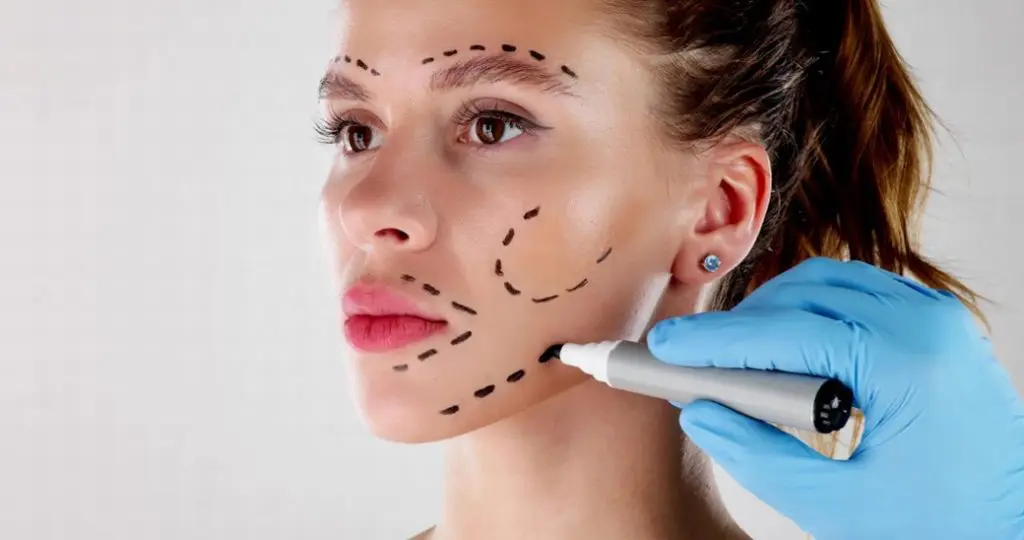
Preparation can improve the overall surgical experience.
Your surgeon may provide instructions about medications, supplements, smoking, alcohol, eating and drinking before surgery and arranging transportation home.
Patients should disclose all medications and supplements they take. Do not stop prescribed medication without discussing it with your doctor.
You may also need to arrange time away from work and assistance at home during the first few days.
Preparing your recovery area in advance can make the early healing period easier.
How to Save Money Safely
It is reasonable to compare Cosmetic Surgery prices, but choosing the lowest quote should not be your main goal.
Instead, compare complete estimates from qualified surgeons.
Ask whether the quote includes:
- Surgeon fee
- Anaesthesia
- Facility
- Implant or medical device
- Medical testing
- Medication
- Follow-up visits
- Post-operative garments
ASPS specifically advises patients to consider surgeon experience and their comfort with the surgeon, rather than focusing only on the final price.
Financing may be available through some plastic surgery practices, but patients should understand interest rates, fees and the total repayment amount before agreeing to financing.
Must Read:
- LANEIGE Lip Glowy Balm Review: Benefits, Ingredients and Real Results
- Medik8 Liquid Peptides Review: Benefits, Ingredients and Real Results
- Glow Recipe Skincare Review: Benefits, Ingredients and Real Results
FAQs:
What is the most popular Cosmetic Surgery procedure in the USA?
According to the ASPS 2024 statistics, liposuction was the most frequently performed cosmetic surgical procedure among ASPS member surgeons, with 349,728 procedures. Breast augmentation ranked second with 306,196 procedures.
How much does Cosmetic Surgery cost in the USA?
Cosmetic Surgery costs vary significantly. For example, the 2024 projected surgeon-fee ranges were approximately $4,300-$7,500 for liposuction, $4,575-$8,000 for breast augmentation with implants, $8,000-$13,500 for tummy tuck and $12,000-$19,000 for facelift surgery. These are surgeon fees rather than complete procedure prices.
Does health insurance cover Cosmetic Surgery?
Purely cosmetic procedures are generally not covered by health insurance. Coverage can sometimes apply when surgery is medically necessary or has a documented functional purpose. Patients should check their specific policy.
How long does Cosmetic Surgery recovery take?
Recovery depends on the procedure. Minimally invasive treatments may require little downtime, while procedures such as tummy tuck, facelift or body lifts may require several weeks of recovery. Your surgeon should provide a personalised recovery timeline.
Is Cosmetic Surgery safe?
Cosmetic Surgery can be performed safely when appropriately qualified surgeons, suitable facilities and proper patient selection are involved, but every surgical procedure carries risks. Patients should discuss individual risks and complications with their surgeon before treatment.
What should I look for in a Cosmetic Surgery surgeon?
Look for appropriate board certification, specialised training, experience with your specific procedure, an accredited or appropriately licensed surgical facility, clear communication and a strong approach to patient safety.
Final Thoughts:
Cosmetic Surgery in the USA includes a wide range of procedures designed to improve appearance, body contours and facial features. Current ASPS statistics show strong demand for surgical procedures such as liposuction, breast augmentation, tummy tuck, breast lift and eyelid surgery, while minimally invasive treatments such as neuromodulator injections and dermal fillers are even more common.
The cost of Cosmetic Surgery varies substantially. The latest ASPS 2024 data show projected surgeon-fee ranges from approximately $3,000 for some facial procedures to $19,000 for some facelift procedures. However, surgeon fees are only one part of the final price. Anaesthesia, surgical facilities, medical testing, medication and post-operative care can increase the total cost.
Choosing a qualified surgeon is more important than finding the cheapest Cosmetic Surgery quote. Research board certification, experience, before-and-after results, facility standards and follow-up care. During your consultation, ask direct questions about risks, recovery, expected results and total costs.
You should also understand that Cosmetic Surgery does not guarantee perfection. Results vary between individuals, and some procedures may require future treatment or revision. Breast implants, for example, are not considered lifetime devices and may require additional surgery over time.
The best approach is to make an informed decision based on your personal goals, health, expectations and professional medical advice. Take enough time to compare qualified surgeons, understand the complete cost and make sure you are comfortable with the recommended procedure before moving forward.
Medical Disclaimer: This article is intended for general educational purposes and does not replace professional medical advice, diagnosis or treatment. Cosmetic Surgery has individual risks and benefits. Speak with a qualified, board-certified plastic surgeon about your medical history, treatment options, expected results, recovery and potential complications before making a decision.