
Gastric Sleeve Cost is one of the biggest questions for people considering weight loss surgery in the United States. Gastric sleeve surgery, also called sleeve gastrectomy or vertical sleeve gastrectomy (VSG), is a common bariatric procedure that permanently reduces the size of the stomach. The procedure can support significant weight loss and may improve obesity-related health conditions in appropriate patients.
In 2026, the Gastric Sleeve Cost in the USA is commonly estimated at around $15,000 to $25,000 for self-pay patients, although actual prices can be lower or higher depending on the surgeon, hospital, location, insurance coverage and services included. Some current 2026 cost sources report a national average of approximately $14,900, while other sources place the typical self-pay range at $15,000 to $25,000.
Insurance can significantly reduce the amount a patient pays out of pocket when gastric sleeve surgery is covered and the patient meets the insurer's requirements. However, coverage rules vary widely. Patients may need documentation of obesity-related health problems, previous weight-management attempts, nutritional counselling, psychological evaluation and other pre-surgery requirements.
This guide explains Gastric Sleeve Cost in the USA, what the surgery involves, what can increase the price, how insurance works, financing options and how to compare bariatric surgery quotes.
What Is Gastric Sleeve Surgery?
Gastric Sleeve Cost is easier to understand when you know what the procedure actually involves.
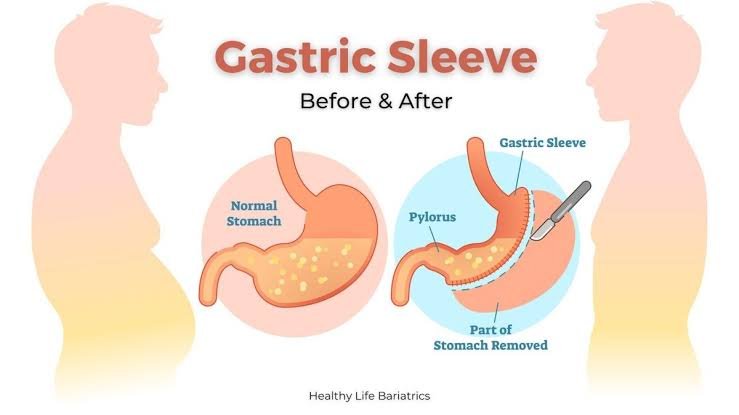
Gastric sleeve surgery is a bariatric procedure in which a surgeon removes a large portion of the stomach and creates a smaller, sleeve-shaped stomach. The smaller stomach limits the amount of food that can be consumed at one time and also affects hunger-related hormones.
The procedure is generally performed laparoscopically through several small abdominal incisions. Because a substantial portion of the stomach is removed, gastric sleeve surgery is considered permanent.
The goal is not simply to make the stomach smaller. Bariatric surgery is used as part of a broader treatment approach for obesity and can be associated with improvements in conditions related to obesity.
The American Society for Metabolic and Bariatric Surgery recognises sleeve gastrectomy as an established bariatric surgical procedure. Its current insurance policy recommendations include sleeve gastrectomy among procedures that should be considered for coverage when appropriate eligibility criteria are met.
How Much Does Gastric Sleeve Cost in the USA?
The Gastric Sleeve Cost varies considerably from one patient and location to another.
For people paying without insurance, a practical 2026 planning range is approximately $15,000 to $25,000. Some providers advertise lower self-pay packages, while hospital-based treatment or more complicated cases may cost more.
Another 2026 cost analysis estimates a range of $9,350 to $24,000, with an estimated national average of approximately $14,900 for patients without insurance.
These numbers should not be treated as a guaranteed price.
The final Gastric Sleeve Cost can depend on:
- Surgeon fees
- Hospital or surgical facility fees
- Anaesthesia
- Pre-operative testing
- Medical consultations
- Nutritional counselling
- Psychological evaluation
- Imaging
- Follow-up care
- Prescription medications
- Bariatric vitamins
- Insurance deductibles
- Coinsurance
- Copayments
- Complications or additional procedures
Always request an itemised estimate before scheduling surgery.
Gastric Sleeve Cost With Insurance
Insurance can make a major difference to your Gastric Sleeve Cost.
When a health insurance plan covers bariatric surgery and you meet its medical requirements, the insurer may pay some or most of the eligible expenses. Your responsibility can then include your deductible, copayments, coinsurance and other expenses that are not covered by the plan.
Some current cost estimates put insured patients' out-of-pocket expenses at approximately $1,500 to $5,000, but actual costs can vary significantly by insurance plan.
A patient with a high deductible may pay substantially more than someone who has already reached their annual deductible or out-of-pocket maximum.
For this reason, knowing that your insurance “covers bariatric surgery” does not automatically tell you what your personal Gastric Sleeve Cost will be.
Does Health Insurance Cover Gastric Sleeve Surgery?
Many insurance plans can cover bariatric surgery when it is considered medically necessary and the patient satisfies the plan's requirements.
However, not every plan covers weight loss surgery.
Some employer-sponsored plans may exclude bariatric surgery entirely. Other plans may provide coverage but require prior authorisation and specific medical documentation.
The American Society for Metabolic and Bariatric Surgery recommends coverage for sleeve gastrectomy within its model bariatric insurance policy and lists several obesity-related conditions that may support eligibility, including type 2 diabetes, hypertension, obstructive sleep apnea, osteoarthritis and other conditions related to obesity.
The exact requirements are determined by your insurance plan.
Common Insurance Requirements for Gastric Sleeve
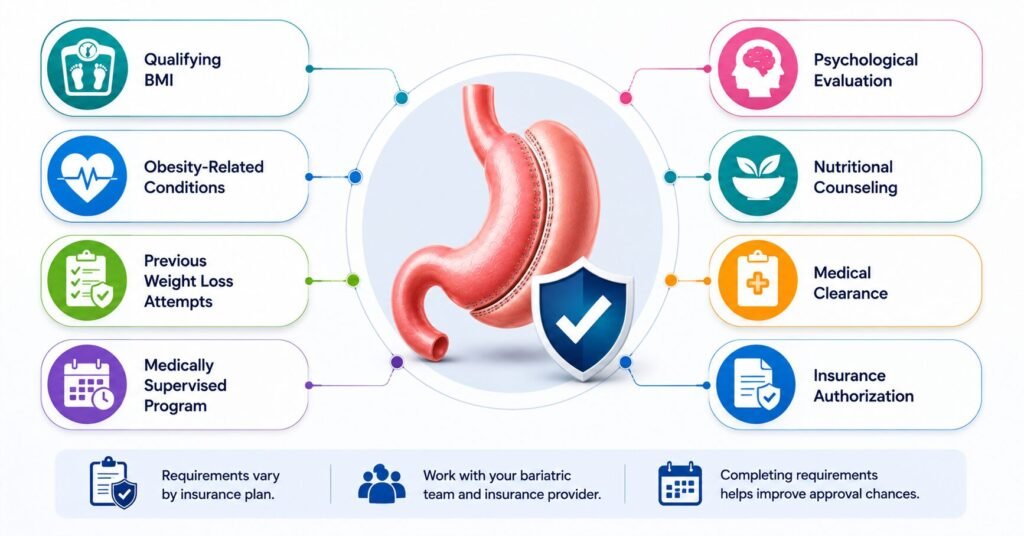
Insurance companies often require several steps before approving gastric sleeve surgery.
Depending on the plan, you may need:
- A qualifying BMI
- Documentation of obesity-related medical conditions
- Previous attempts at weight management
- A medically supervised weight-loss programme
- Nutritional counselling
- Psychological evaluation
- Medical clearance
- Laboratory testing
- Approval from a bariatric surgeon
- Prior authorisation
Some plans may require several months of supervised weight management before surgery.
Medicare coverage has its own rules. Medicare.gov states that Medicare covers some bariatric surgical procedures when beneficiaries meet specific conditions related to severe obesity.
Because requirements differ, check your plan documents before assuming that your Gastric Sleeve Cost will be covered.
Gastric Sleeve Cost Without Insurance
Patients who do not have insurance coverage may need to pay the entire cost themselves.
The typical self-pay Gastric Sleeve Cost in the USA is often quoted at approximately $15,000 to $25,000 in 2026.
However, cash-pay programmes can sometimes have lower prices, particularly at centres offering bundled packages.
One 2026 bariatric surgery source reports self-pay prices in some Texas programmes around $11,500 to $18,000, demonstrating how much location and pricing structure can affect the final amount.
Patients should be careful when comparing unusually low prices.
A low advertised price may not include:
- Anaesthesia
- Hospital fees
- Pre-operative testing
- Follow-up appointments
- Vitamins
- Medications
- Complication management
- Additional overnight stays
A $12,000 package that excludes $4,000 of additional expenses may ultimately cost more than a $15,000 package that includes everything.
What Is Included in Gastric Sleeve Cost?
Before comparing providers, ask exactly what the quoted Gastric Sleeve Cost includes.
Surgeon Fee
The surgeon's professional fee covers the bariatric surgeon's work before, during and sometimes after the operation.
The surgeon's experience, location and practice structure can affect this fee.
Hospital or Facility Fee
The facility fee covers the operating room, equipment, nursing care and other hospital or surgical centre services.
Hospital-based surgery may cost more than some outpatient or bundled self-pay programmes.
Anaesthesia
Anaesthesia is another important part of the total Gastric Sleeve Cost.
Ask whether the anaesthesiologist's fee is included in the advertised surgical price.
Pre-Operative Testing
Before surgery, patients may need medical tests to assess whether they are ready for the procedure.
These may include blood tests, imaging, cardiac evaluation or other assessments depending on medical history.
Nutritional Evaluation
Bariatric programmes often include nutritional education before surgery.
Patients also need long-term nutritional monitoring after surgery because the reduced stomach size and dietary changes can affect nutrient intake.
Psychological Evaluation
Some insurance plans and bariatric programmes require a psychological or behavioural health evaluation before surgery.
The purpose is to assess readiness for major lifestyle changes and identify factors that could affect recovery or long-term success.
Follow-Up Care
Ask whether post-operative visits are included in your Gastric Sleeve Cost.
Follow-up can be an important part of bariatric treatment because your diet, medication, nutrition and weight loss need to be monitored after surgery.
Additional Expenses That Can Increase Gastric Sleeve Cost
The advertised price may not include every expense.
Potential additional costs include:
- Pre-surgery medical clearance
- Blood tests
- Imaging
- Endoscopy
- Specialist consultations
- Psychological evaluation
- Nutritional counselling
- Prescription medications
- Bariatric vitamins
- Protein supplements
- Follow-up appointments
- Emergency care
- Treatment of complications
Some patients may also require additional procedures before surgery.
For example, a patient with significant medical conditions may need additional specialist clearance.
Understanding these potential expenses can give you a more realistic estimate of your total Gastric Sleeve Cost.
Factors That Affect Gastric Sleeve Cost
Geographic Location
Where you have surgery can significantly affect your Gastric Sleeve Cost.
Major metropolitan areas often have higher medical facility and operating costs.
The same procedure may therefore have a different price in Texas, Florida, New York, California or another state.
Surgeon Experience
The surgeon's qualifications and experience can influence professional fees.
Price should not be the only factor when choosing a bariatric surgeon. Experience, surgical outcomes, facility standards and long-term follow-up are also important.
Hospital vs Surgical Centre
The facility where surgery is performed can affect the total price.
Hospital-based treatment may involve higher facility charges, while some accredited surgical centres offer bundled pricing.
Your Medical History
Patients with additional health conditions may require more testing or specialist care.
This can increase the overall Gastric Sleeve Cost.
Insurance Plan
Insurance can dramatically change your personal financial responsibility.
Two patients undergoing the same operation at the same hospital could have very different out-of-pocket expenses because their insurance benefits are different.
Gastric Sleeve Financing Options
If your insurance does not cover the surgery, financing may help make the Gastric Sleeve Cost more manageable.
Medical Financing
Some healthcare financing companies offer loans or payment plans for bariatric procedures.
Before accepting financing, compare:
- Interest rate
- Loan term
- Monthly payment
- Total repayment
- Application fees
- Late fees
- Promotional financing conditions
A low monthly payment does not necessarily mean the financing is inexpensive.
Hospital Payment Plans
Some hospitals and bariatric practices offer their own payment programmes.
Ask whether you need to pay a deposit before surgery and when the remaining balance is due.
Personal Savings
Some patients choose to save for surgery rather than borrow money.
This avoids interest charges but requires planning and may delay treatment.
HSA and FSA Funds
Depending on the applicable rules and your specific account, Health Savings Account or Flexible Spending Account funds may be available for eligible medical expenses.
Confirm eligibility with your plan administrator before using these funds.
How to Check Your Insurance Coverage
Before calculating your Gastric Sleeve Cost, contact your insurance provider.
Ask these questions:
- Does my plan cover sleeve gastrectomy?
- Is bariatric surgery excluded from my plan?
- What BMI requirements apply?
- Do I need an obesity-related health condition?
- Is a supervised weight-loss programme required?
- How long must I participate?
- Is nutritional counselling required?
- Is psychological evaluation required?
- Do I need prior authorisation?
- Must I use an in-network surgeon?
- Must the hospital be in-network?
- What is my deductible?
- What is my coinsurance?
- What is my annual out-of-pocket maximum?
- Are pre-operative tests covered?
- Are follow-up appointments covered?
Ask your insurer to provide the answers in writing whenever possible.
Medicare and Gastric Sleeve Cost
Medicare can cover certain bariatric surgery procedures for eligible beneficiaries.
Medicare.gov states that bariatric surgery may be covered when the beneficiary meets specific conditions related to severe obesity.
Medicare also explains that surgical costs can be difficult to estimate before a provider determines exactly what services are required. Patients should ask the doctor, hospital or facility for an estimate and check what other insurance may pay.
For 2026, Medicare Part A has a hospital deductible of $1,736 per benefit period for eligible inpatient services, while Part B has a $283 deductible.
Your actual Gastric Sleeve Cost under Medicare will depend on whether the procedure and related services qualify for coverage, your care setting and any supplemental coverage.
Medicaid and Gastric Sleeve Cost
Medicaid rules are different from state to state.
Medicaid is jointly funded by federal and state governments, and eligibility and covered services vary by state.
Some state Medicaid programmes cover bariatric surgery for eligible patients, while others may have more restrictive rules.
If you have Medicaid, contact your state programme and ask specifically about sleeve gastrectomy coverage.
Gastric Sleeve Procedure: What Happens?
Understanding the procedure can help explain why the Gastric Sleeve Cost includes several different medical services.
Before surgery, you typically complete a medical evaluation and pre-operative testing.
During the procedure, the surgeon removes a large portion of the stomach and creates a narrow sleeve-shaped stomach.
The operation is usually performed using minimally invasive techniques.
After surgery, you will be monitored while you recover from anaesthesia. Your medical team will provide instructions about diet, activity, medication and follow-up.
Your hospital stay and recovery can vary depending on your health, surgical approach and whether complications occur.
Gastric Sleeve Recovery
Recovery is an important part of the overall Gastric Sleeve Cost because follow-up care and nutritional support may continue for months.
Patients usually progress through different stages of eating after surgery. The exact diet schedule depends on the bariatric programme and surgeon.
You may initially consume liquids before gradually progressing to thicker foods and eventually a broader diet.
Regular follow-up appointments are important to monitor:
- Weight loss
- Hydration
- Nutrition
- Vitamin levels
- Medication
- Digestive symptoms
- Overall recovery
Your bariatric team will provide personalised instructions.
Gastric Sleeve Risks and Possible Complications
Gastric sleeve surgery is major surgery and carries potential risks.
Possible complications can include:
- Bleeding
- Infection
- Blood clots
- Anaesthesia-related complications
- Leaks
- Dehydration
- Nutritional deficiencies
- Gastroesophageal reflux
- Stomach narrowing or obstruction
The actual risk varies from person to person.
Patients should discuss potential complications with their surgeon before deciding whether surgery is appropriate.
Unexpected complications can also increase the final Gastric Sleeve Cost, particularly for self-pay patients.
This is another reason to ask a provider what their financial policy is for unexpected hospital stays or complications.
Gastric Sleeve vs Gastric Bypass Cost
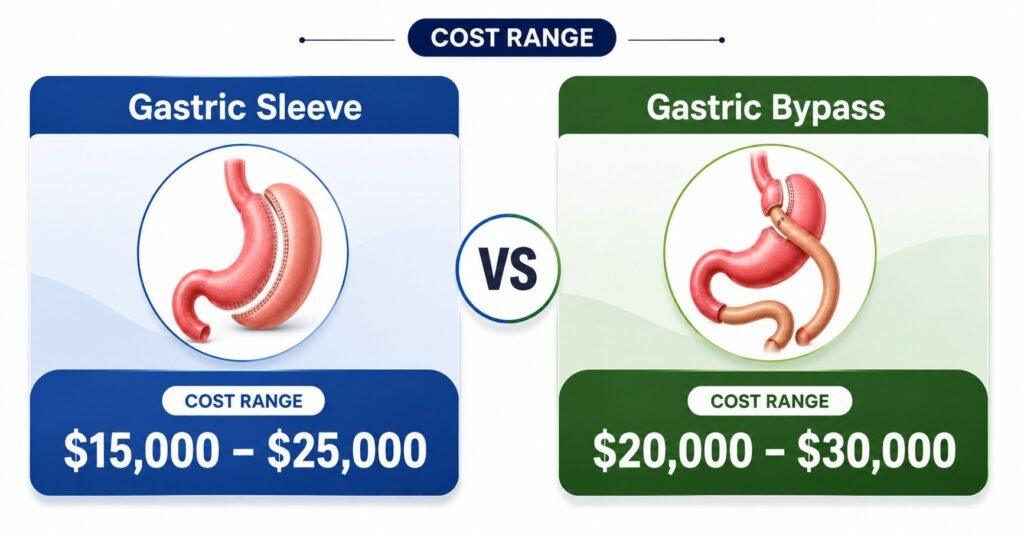
Patients often compare Gastric Sleeve Cost with gastric bypass cost.
Gastric sleeve generally involves removing part of the stomach, while gastric bypass involves creating a smaller stomach pouch and changing the path of food through the small intestine.
Current cost estimates commonly place gastric bypass at approximately $20,000 to $30,000, compared with roughly $15,000 to $25,000 for gastric sleeve in the USA.
However, price should not determine which surgery you receive.
The appropriate procedure depends on factors such as:
- BMI
- Medical conditions
- Weight-loss goals
- Previous abdominal surgery
- Reflux symptoms
- Eating patterns
- Long-term health goals
- Surgeon's recommendation
Discuss both options with a qualified bariatric surgeon.
Is Gastric Sleeve Worth the Cost?
Whether the Gastric Sleeve Cost is worthwhile depends on your individual health situation, treatment goals and financial circumstances.
Bariatric surgery is not simply a cosmetic procedure. It is a medical treatment for obesity in appropriately selected patients.
A 2026 analysis presented by the American Society for Metabolic and Bariatric Surgery found that, among patients with obesity and type 2 diabetes in the study, two-year total treatment costs were lower for bariatric surgery than for GLP-1 drug treatment. The study reported approximately $41,400 in total costs for sleeve gastrectomy compared with $58,600 for GLP-1 treatment over two years.
That does not mean surgery is automatically cheaper or better for every individual. Medication costs, insurance benefits, medical conditions and treatment duration can vary significantly.
The financial decision should therefore be considered alongside the medical benefits, risks and long-term care requirements.
How to Compare Gastric Sleeve Surgery Prices
When comparing Gastric Sleeve Cost, do not simply choose the lowest advertised price.
Create a checklist for each provider.
Ask whether the price includes:
- Surgeon fee
- Anaesthesia
- Hospital or facility fee
- Pre-operative tests
- Nutrition counselling
- Psychological evaluation
- Follow-up visits
- Medications
- Bariatric vitamins
- Emergency care
- Additional hospital stay
Then ask for the final estimated amount you will personally pay.
A $13,000 package may appear cheaper than a $17,000 package, but the difference may disappear if the lower-priced package excludes anaesthesia, testing and follow-up care.
Questions to Ask Your Bariatric Surgeon
Before scheduling surgery, ask:
- What is the complete Gastric Sleeve Cost?
- What services are included?
- What services are excluded?
- Will I need additional tests before surgery?
- Does the price include anaesthesia?
- Does it include the hospital stay?
- What happens financially if I have a complication?
- How many follow-up appointments are included?
- Will I need to purchase vitamins separately?
- Does your centre work with my insurance company?
- Can you provide a pre-treatment estimate?
- Are financing options available?
These questions can prevent unexpected expenses.
Ways to Reduce Gastric Sleeve Cost
There are several ways to manage your Gastric Sleeve Cost.
Use Insurance When Available
If your insurance covers bariatric surgery, completing the required approval process may dramatically reduce your out-of-pocket expense.
Compare Accredited Centres
Compare qualified bariatric programmes rather than simply searching for the cheapest price.
Request a Written Quote
A written quote makes it easier to compare different providers.
Check Financing
Compare several financing options rather than accepting the first payment plan offered.
Ask About Package Pricing
Some self-pay programmes offer bundled pricing that includes surgery, anaesthesia, facility fees and follow-up.
Check HSA or FSA Eligibility
If you have an eligible account, ask your administrator whether funds can be used for qualified expenses.
Must Read:
- Best Appetite Suppressant for Women
- Stonehenge Health Dynamic Brain for Cognitive Support
- Nootropic Brain Supplement for Memory and Focus
Final Thoughts:
Gastric Sleeve Cost in the USA can vary significantly depending on location, surgeon, facility, insurance and the services included in the treatment package.
For 2026, patients paying without insurance can generally expect to see prices around $15,000 to $25,000, although some programmes advertise lower prices and some complex or hospital-based cases can cost more.
Insurance can substantially reduce the amount you pay, but coverage is not automatic. Your plan may require a qualifying BMI, obesity-related medical conditions, previous weight-management attempts, nutritional counselling, psychological evaluation and prior authorisation.
Medicare covers some bariatric procedures when beneficiaries meet specific requirements, while Medicaid rules vary by state.
For people without insurance coverage, medical financing, payment plans and eligible HSA or FSA funds may help spread out the expense.
The most important step is to compare the total Gastric Sleeve Cost, not just the advertised surgical price. Ask what is included, what is excluded and what you could owe if additional treatment is needed.
Most importantly, gastric sleeve surgery is a major medical procedure. Cost should be considered alongside the surgeon's qualifications, facility standards, expected benefits, potential risks and long-term follow-up.
Medical Disclaimer: This article is intended for general educational purposes and does not replace professional medical advice. Gastric sleeve surgery is major surgery and is not appropriate for everyone. Speak with a qualified bariatric surgeon and your insurance provider for personalised medical and financial information.